Robotics & machines
Robot Cell or Special Purpose Machine: Which Fits Your Production Line?
When a manual station becomes the bottleneck on a line, the first automation question is usually the same: do we put in a robot, or build a machine dedicated to the job? Both remove repetitive work from operators, and both run happily alongside conveyors, vision and safety systems. The right answer depends on how much the job changes, how fast it has to run and how the station will be used in the years after it is installed.
What a robot cell does well
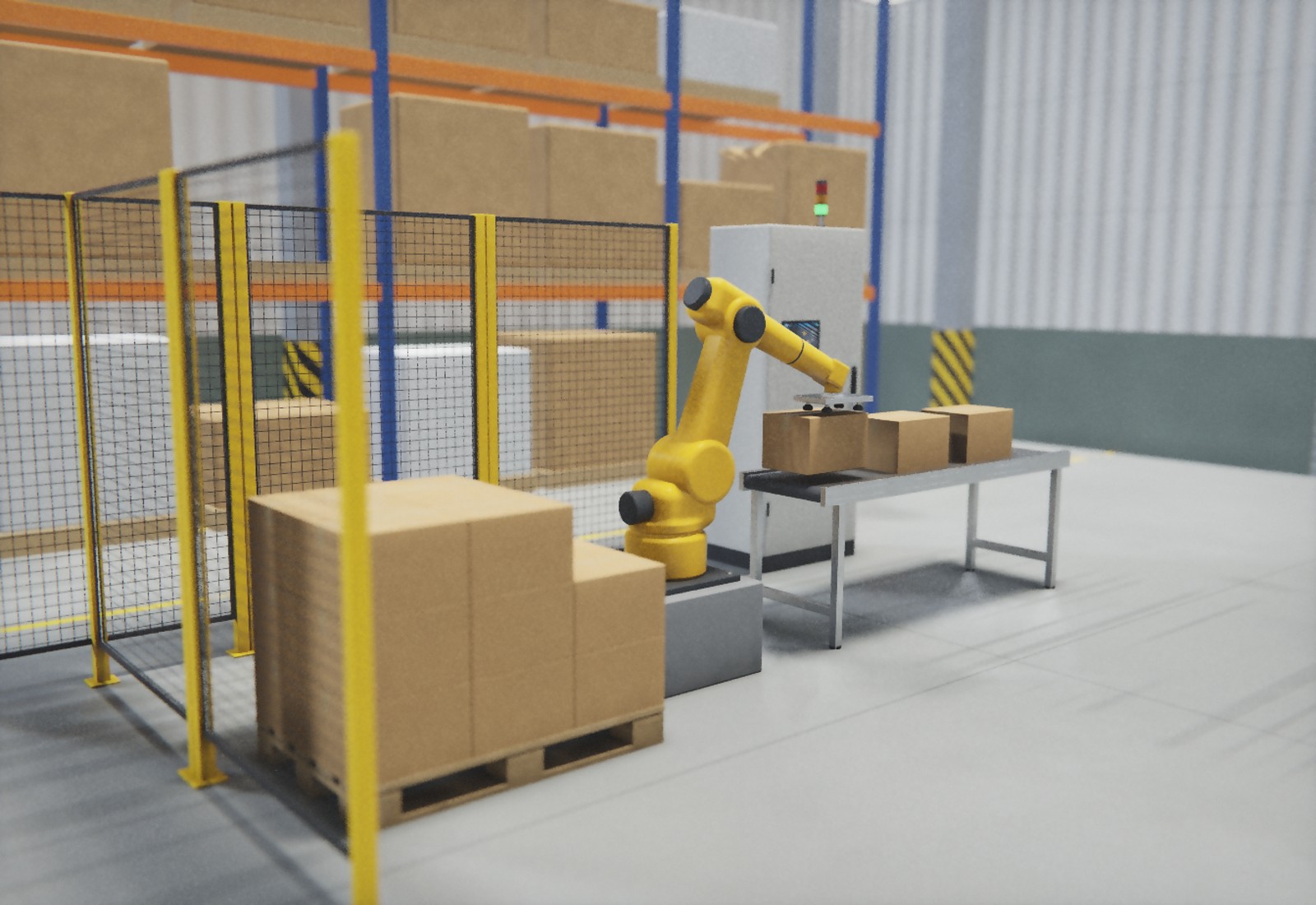
An industrial robot is a general-purpose arm. Inside a cell it gets a gripper or tool, fixtures, guarding and a controller, and is then programmed for the task in front of it. The same arm can pick and place, palletise, tend a machine or assemble parts, and it can be taught a new job later.
- Several part variants can run on one cell with program and gripper changes.
- Product changes are handled in software rather than with new hardware.
- A large working area lets one arm serve more than one machine or pallet position.
- Handling between machines, such as loading a CNC or press, is where robots are strongest.
What a special purpose machine does well
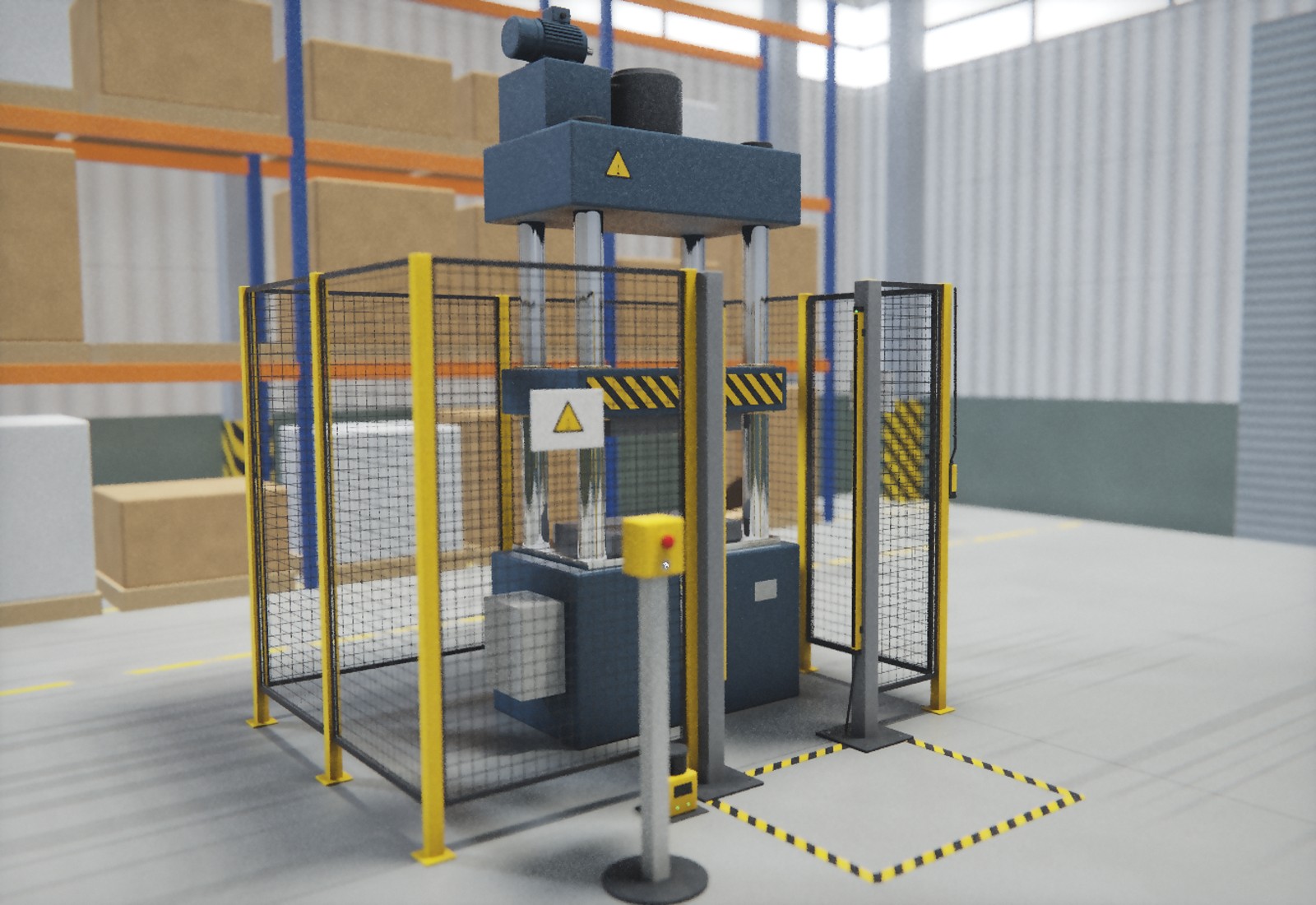
A special purpose machine (SPM) is designed around a single process on a defined family of parts. Assembly, pressing, testing and marking are typical examples. The tooling, motion and controls are built for that one job, which is why an SPM is usually compact, fast and simple for line staff to run.
- A fixed, repeatable cycle tuned to the one operation.
- Process forces such as pressing, riveting or crimping are designed into the frame.
- A compact footprint built around the part rather than around an arm’s reach.
- Straightforward operation with an HMI made for that process.
Robot cell vs special purpose machine at a glance
| Factor | Robot cell | Special purpose machine |
|---|---|---|
| Best for | Handling, tending, palletising, varied parts | One process on one part family |
| Flexibility | High: re-program and change grippers | Low: tooling is made for the job |
| Process forces | Limited by the robot’s payload | Designed in for pressing, joining or testing |
| Product changes | Program and gripper changes | Tooling changes or a modified machine |
| Footprint | Larger, with a guarded working area | Compact around the process |
| Typical role | Moving parts between stations | Doing the work on the part |
Questions to answer before you decide
- How many part variants will run on this station, and how often do they change?
- Does the job need force (pressing, riveting, crimping) or mainly movement?
- What cycle time does the line need from this station?
- How much floor space is available, including room for guarding?
- Will the station need to take on a different job in a few years?
If the answers point to many variants and changing products, a robot cell usually makes more sense. If they point to one demanding operation at a steady rate, a special purpose machine is often the better fit.
When the answer is both
Many lines combine the two. A robot loads and unloads parts while a special purpose machine performs the process, a vision camera checks the result and conveyors link the stations. The robot brings flexibility to the handling, and the SPM brings speed and force to the operation itself.
How we approach it
We start from your part, your process and your cycle-time target before recommending a robot cell, a special purpose machine or a combination of both. From there we handle concept design, build, integration and commissioning, with PLC / HMI controls and safety built in, and support the station once it is running.

Written by