Material handling
Belt, Roller or Modular Conveyor: Choosing the Right One for Your Line
Conveyors rarely get the attention that robots and vision systems do, yet every part on an automated line rides on one. Pick the wrong type and parts slip, jam or arrive at the next station in the wrong position. This guide compares belt, roller and modular conveyors and the transfers that connect them.
Belt conveyors
A belt conveyor carries products on a continuous surface. Because the belt supports the whole base of the product, it handles small, light or irregular items that would fall between rollers, and it can run on inclines.
- Small, light or irregular products
- Inclines and declines between levels
- Steady transport between stations
Roller conveyors
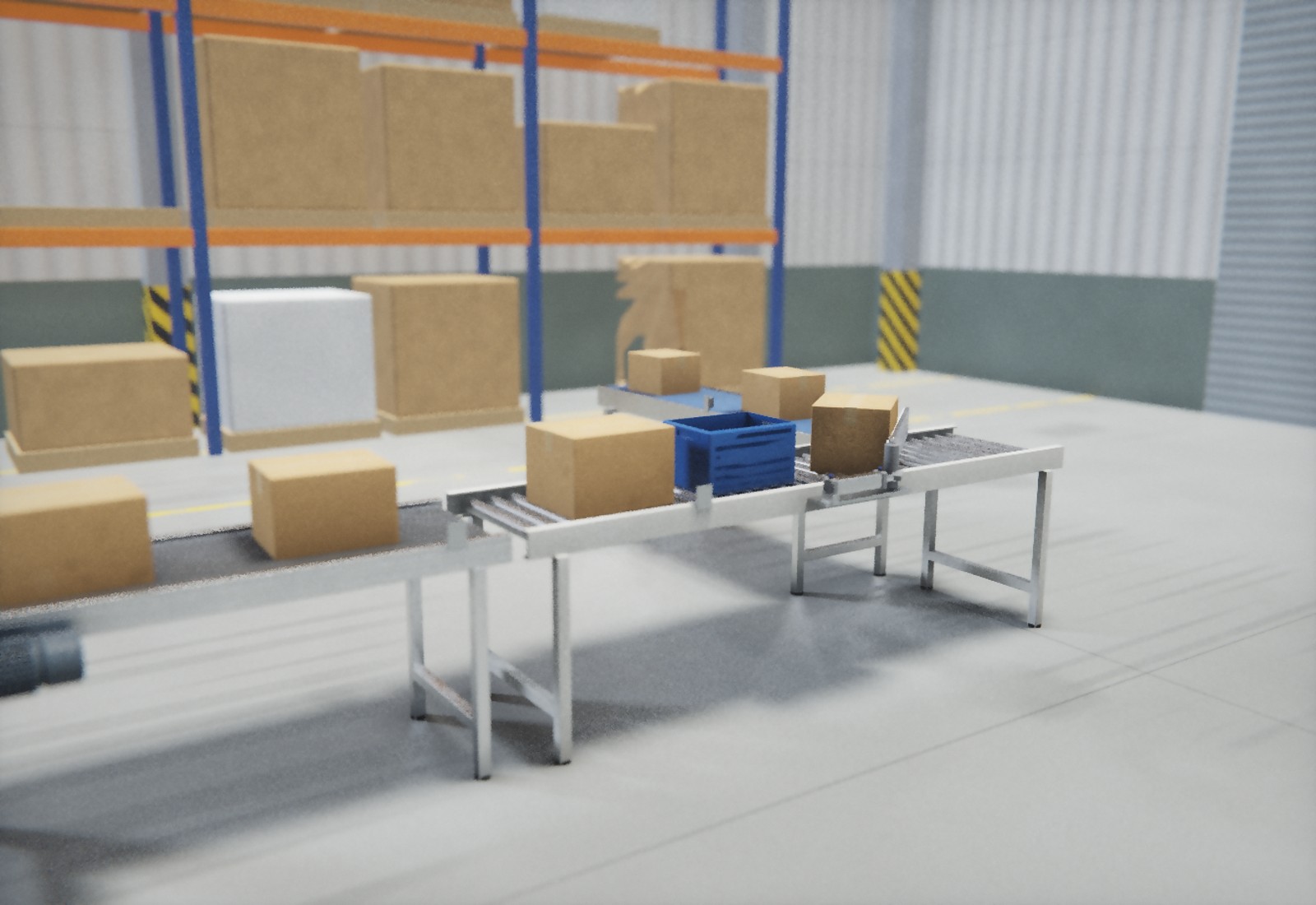
A roller conveyor moves products over a series of rollers, either powered or by gravity. It suits items with a firm, flat base such as cartons, totes and pallets, and is well suited to letting products queue, or accumulate, before the next station.
- Cartons, totes and pallets
- Accumulation zones before a station
- Heavier loads on a flat base
Modular conveyors
A modular conveyor uses a belt made of interlocking plastic modules. It can run around curves, is easy to repair one section at a time and copes well with wet or wash-down areas.
- Curved and complex layouts
- Wet or wash-down environments
- Sections that need quick repair
Comparison at a glance
| Factor | Belt | Roller | Modular |
|---|---|---|---|
| Best products | Small, light, irregular | Cartons, totes, pallets | Mixed, wet or packaged items |
| Accumulation | Limited | Well suited | Possible with the right design |
| Curves | Limited | With curved roller sections | Well suited |
| Inclines | Well suited | Shallow only, with powered rollers | Possible with flights |
| Maintenance | Belt tracking and tension | Rollers and drives | Replace individual modules |
Transfers and diverters
Lines are rarely one straight conveyor. Transfers move products from one conveyor to another, and diverters send them to different lanes for sorting, rejects or packing. Sensors along the conveyor detect each product so the controls know when to stop, queue or divert it.
Planning checklist
- Product size, weight and the shape of its base
- Where products need to queue before a station
- The layout of the line, including curves and level changes
- Where sorting, rejects or transfers are needed
- How robots, vision and sensors will interact with the conveyor
How we approach it
We design belt, roller and modular conveyors together with the transfers, sensors and controls around them, so products arrive at each station, robot or camera in the position it expects.

Written by