
VFD & Industrial Motors
Industrial motors and variable frequency drives (VFDs) selected, wired and set up for conveyors, pumps, fans and machines.
- 3Applications
- 3Related products
At a glance
- Power range
- Confirmed in your quote
- Supply
- Confirmed in your quote
- Brands
- Confirmed in your quote
These figures are set for each project from your part, cycle time and line. Send your requirement and we confirm them in the quote.
About this product
Motors and variable speed drives.
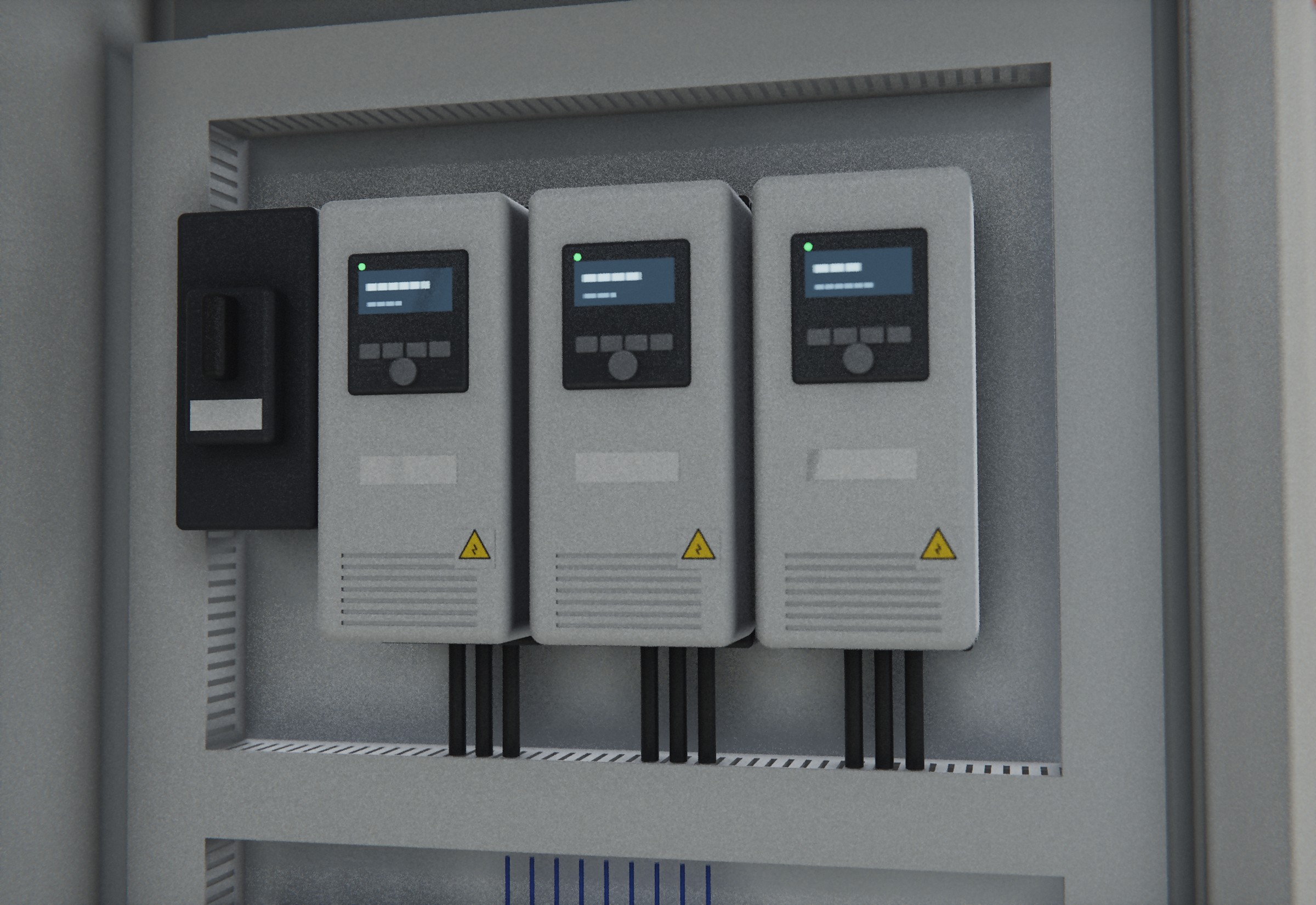
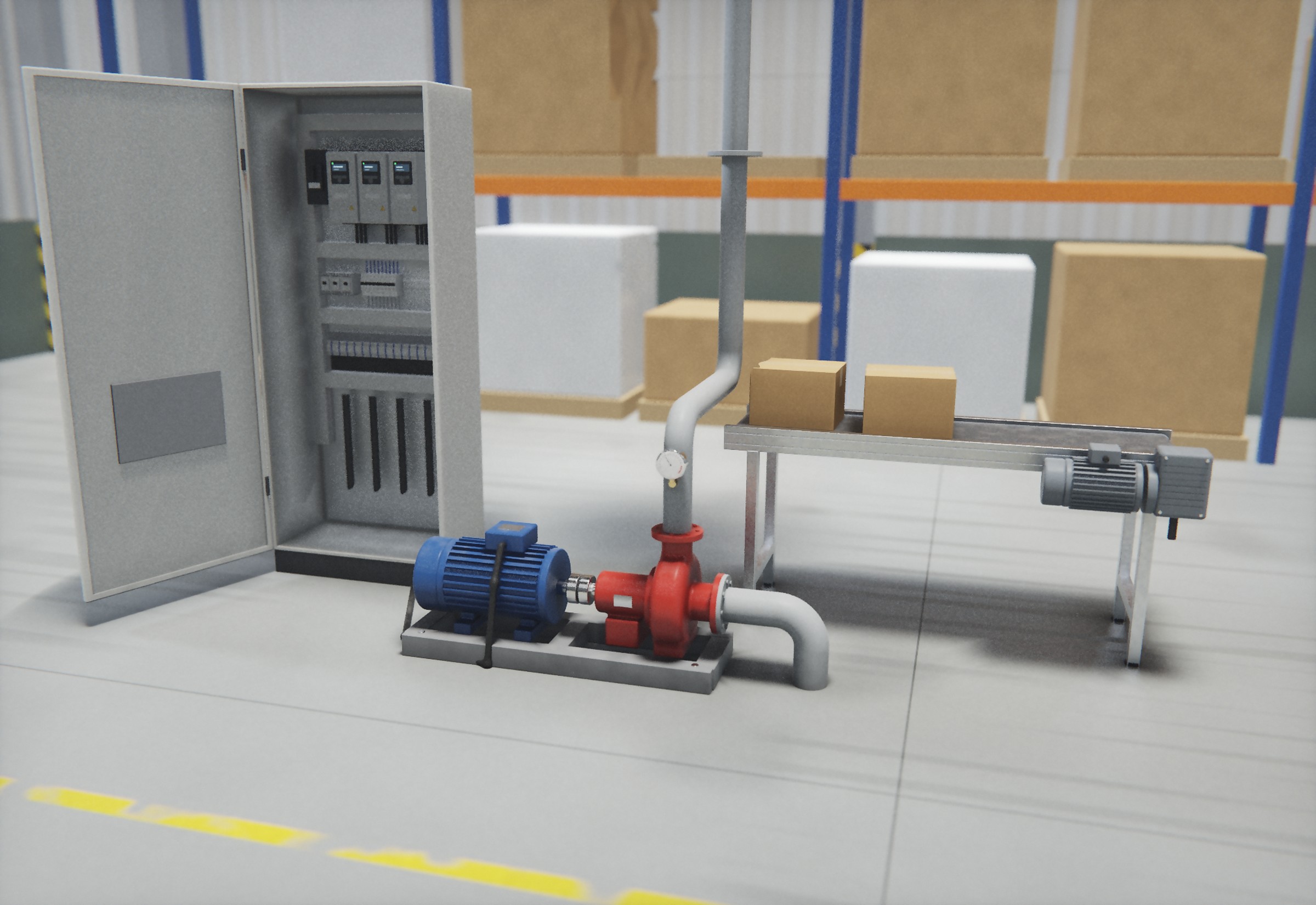
Most machines and lines are moved by electric motors: conveyors, pumps, fans, mixers and machine axes. A variable frequency drive (VFD) controls motor speed by changing the frequency and voltage the motor receives, so it runs only as fast as the job needs.
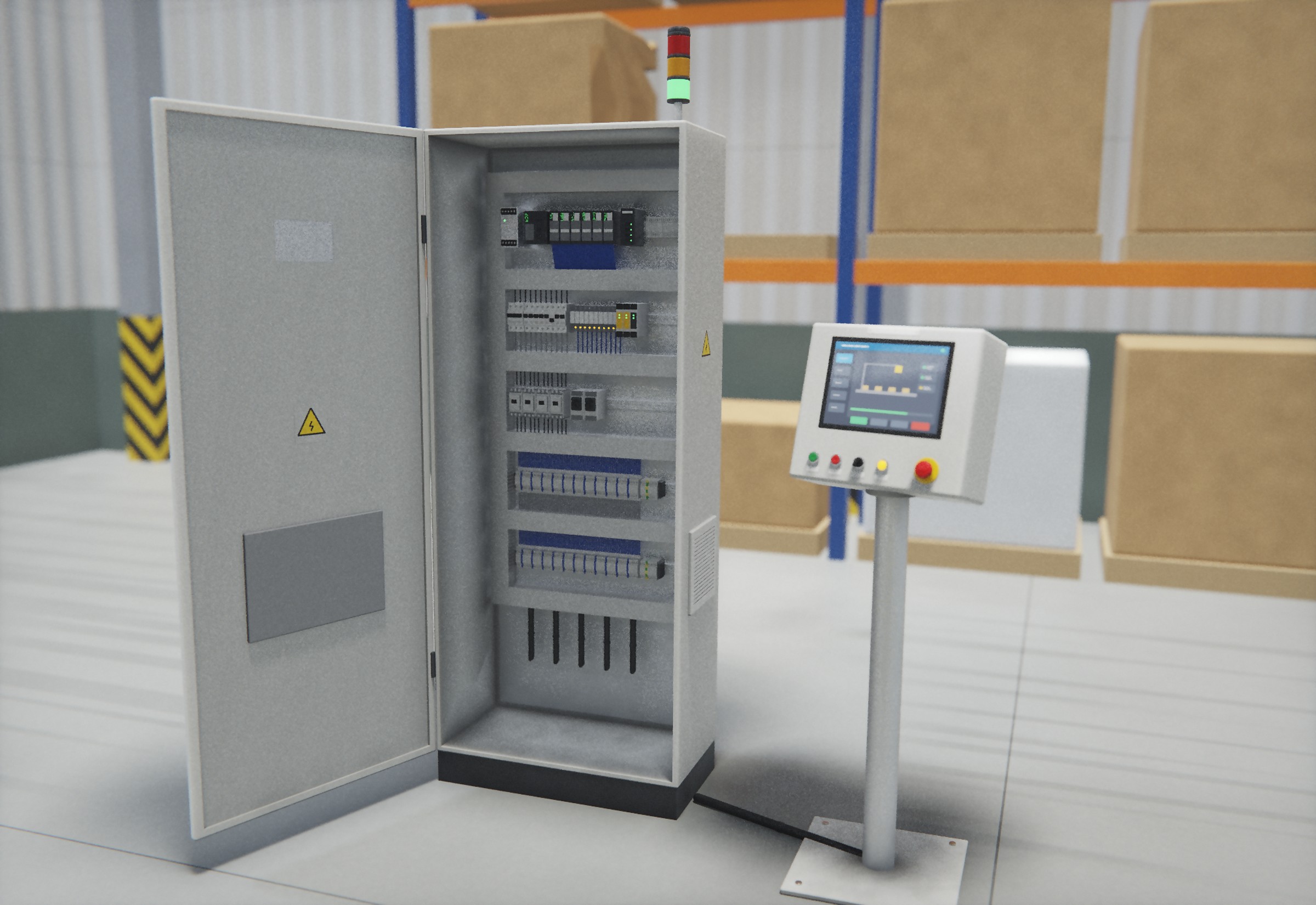
We select motors and drives for the load, wire and set them up, and connect them to the machine PLC so speed, start, stop and faults are controlled and visible from the HMI.
Running a pump or fan slower when full flow is not needed reduces energy use, and soft starting reduces mechanical shock on belts, gearboxes and couplings. On important motors, vibration and temperature monitoring can be added to spot bearing wear or misalignment before it becomes a breakdown.
What’s included
- Motor and gearbox selection
- VFD selection and sizing
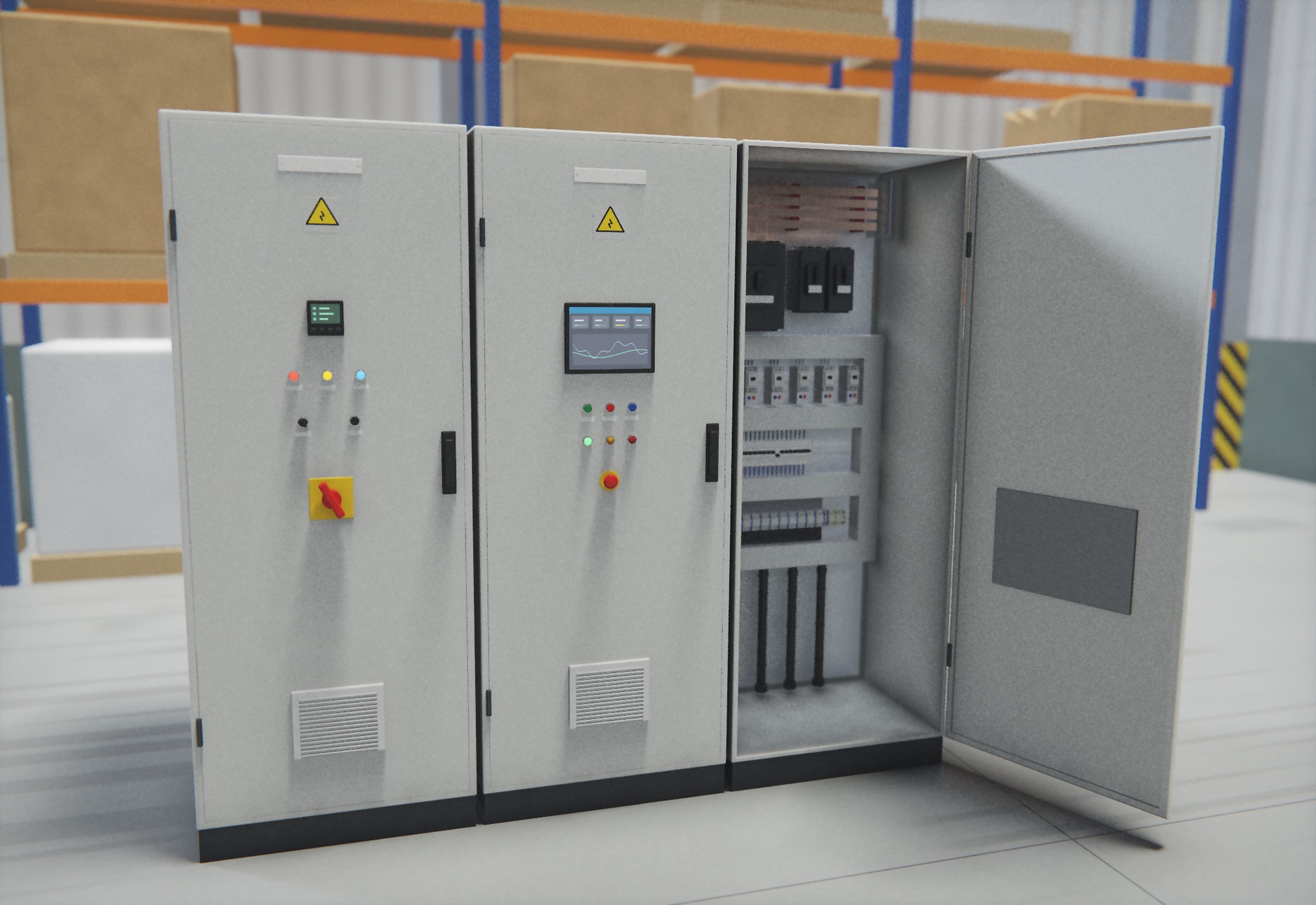
- Panel wiring and cable routing
- Drive parameter setup
- PLC / HMI speed control and fault display
- Testing under load and handover
Key features
What makes it work on your line.
- 01
Sized for the load
Motor power, speed and gearbox ratio are chosen from the load, duty and speed range the machine needs.
- 02
Smooth starts and stops
Acceleration and deceleration ramps protect conveyors, products and mechanical parts.
- 03
Speed from the HMI or PLC
Line speed can be set by operators or changed automatically for each product.
- 04
Energy savings
Pumps and fans running at reduced speed use less power than running at full speed with throttling.
- 05
Drive protection
Overload, phase loss and fault trips protect the motor, and fault codes are shown on the HMI.
- 06
Condition monitoring
Vibration and temperature sensors on critical motors warn of wear, looseness or misalignment.
How we deliver it
From first study to a running line.
- 01
Study the load
We look at what the motor drives, the speed range, the duty cycle and the space and supply available.
- 02
Select motor & drive
Motor type, gearbox, drive rating and protection are matched to the load.
- 03
Install & set up
Drives are wired in the panel, parameters are set and the motor is tested under load.
- 04
Connect & hand over
Speed, status and faults are linked to the PLC and HMI, and staff are shown how to monitor and reset drives.
Plan your next line with us.
FAQ
Questions about this product
A VFD gives adjustable speed, soft starts and stops, and better motor protection. A direct-on-line starter can only run the motor at full speed.
Blog
Guides from our engineers.
Practical reading on robot cells, vision inspection, conveyors, machine safety and automating the lines you already run.
 Material handling
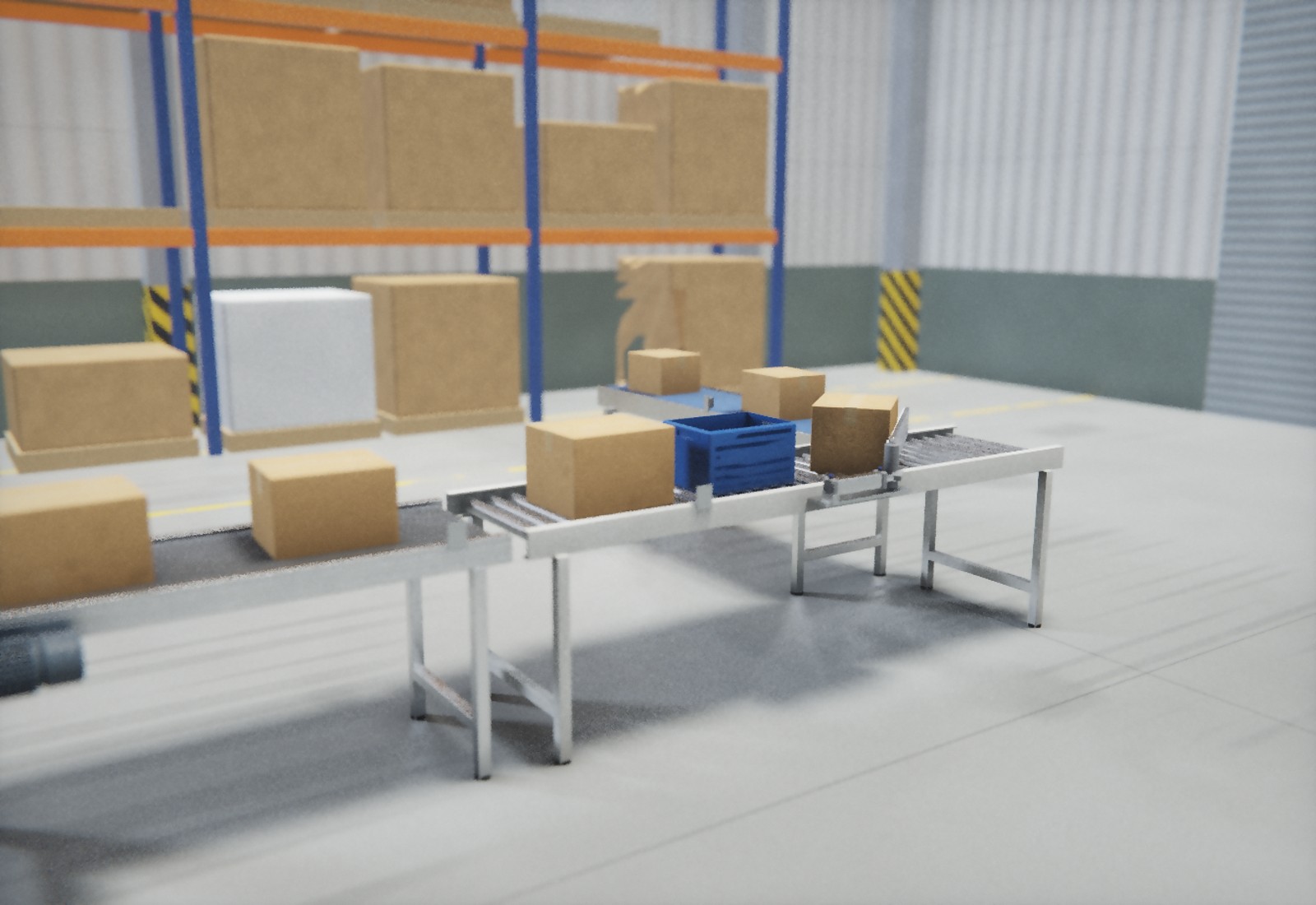
Belt, Roller or Modular Conveyor: Choosing the Right One for Your Line
Conveyors link every station on a line. The right type depends on what you move, how it needs to queue and how it transfers between stations. Intellizen Engineering TeamRead more
 Robotics & machines
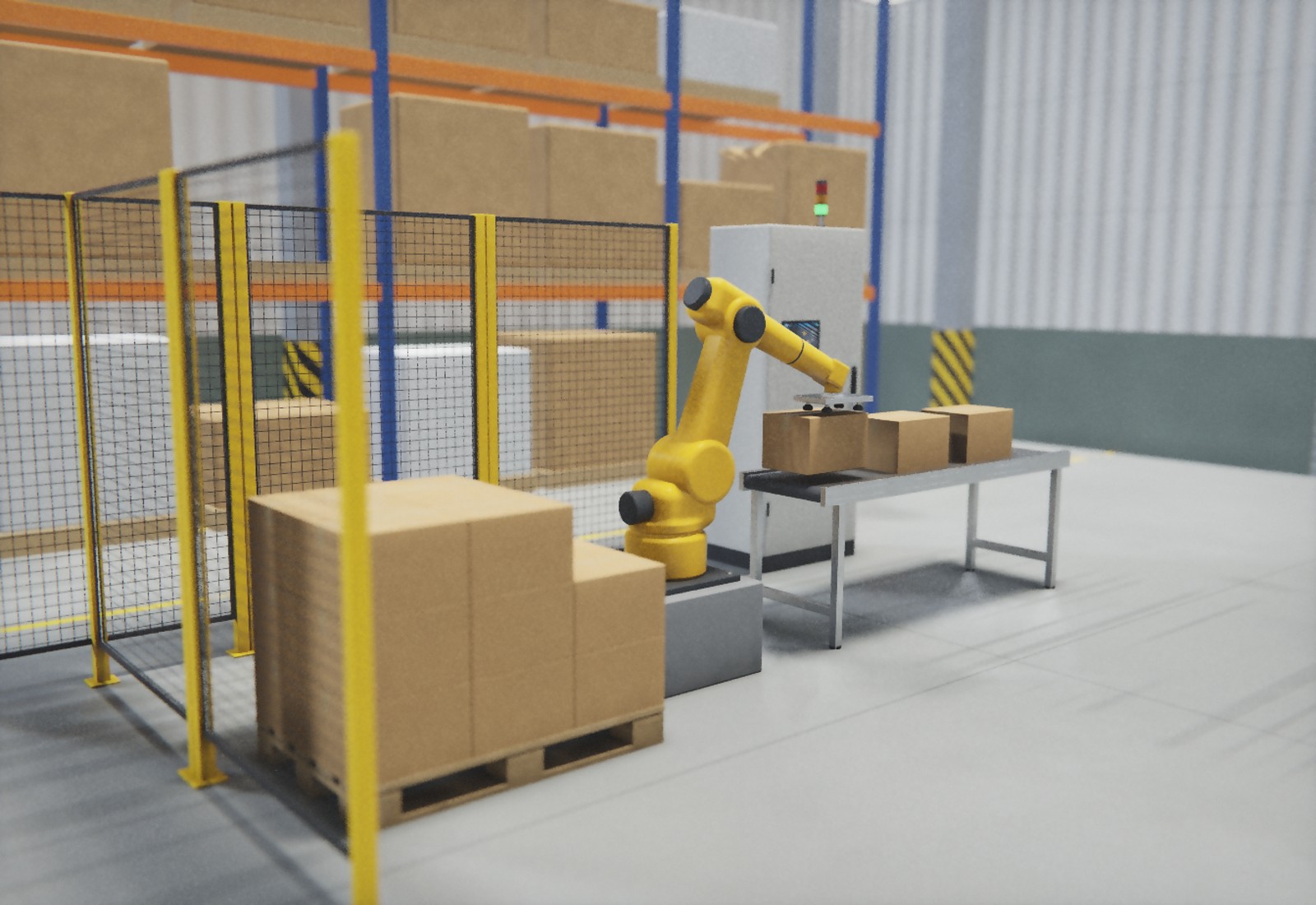
Robot Cell or Special Purpose Machine: Which Fits Your Production Line?
Both take repetitive work off your operators, but they solve different problems. Here is how to choose between a robot cell and a machine built for one job.Intellizen Engineering TeamRead more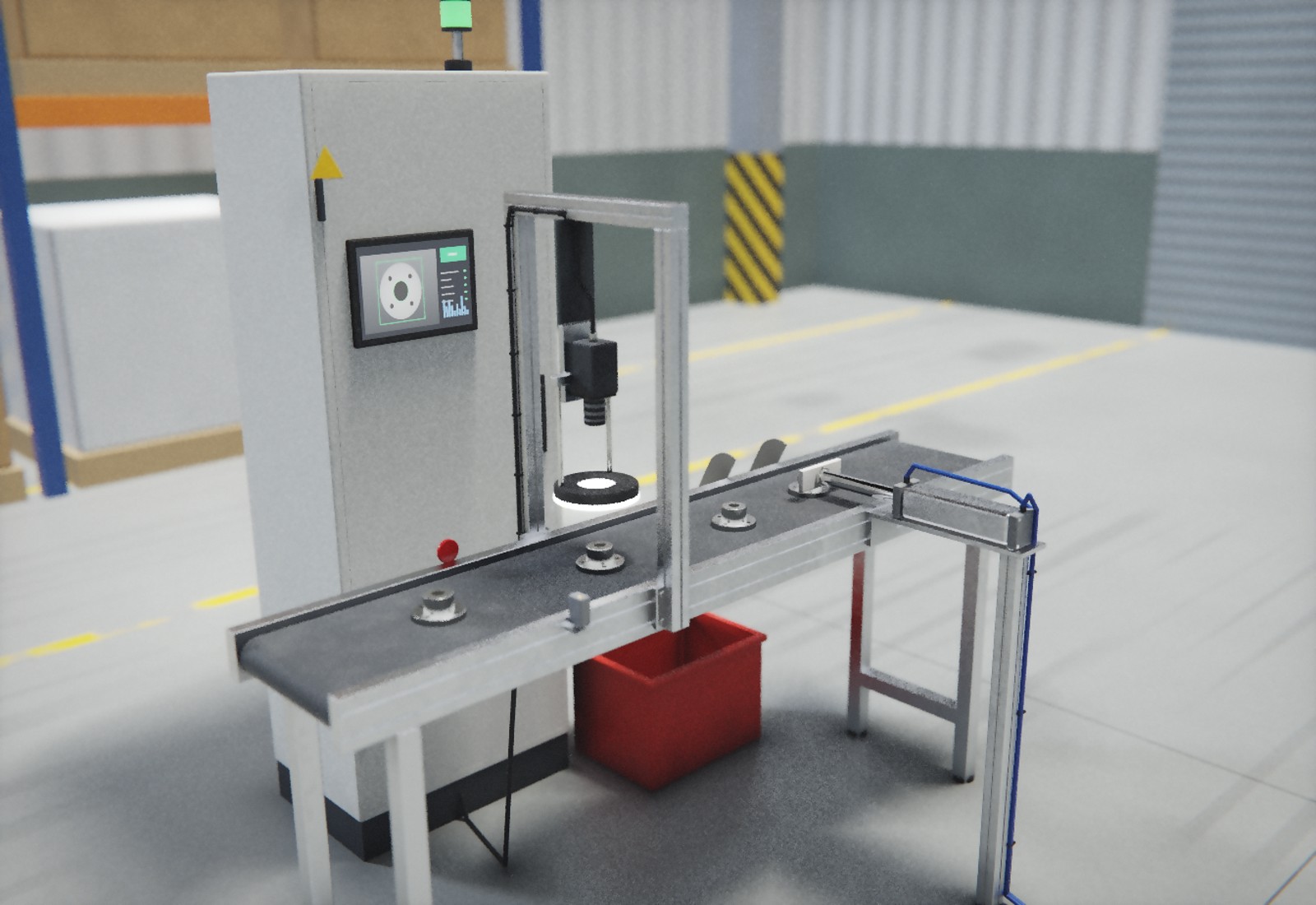 Vision & sensing
Vision Inspection on the Production Line: What a Camera Can Check
From presence checks to reading codes, a vision system checks every part and sends a pass/fail signal to your PLC. Here is what it can do and how to plan one.Intellizen Engineering TeamRead more