
Special Purpose Machines
Machines designed around one job on your line — assembly, pressing, testing or marking — built to your part and cycle-time target.
- 5Applications
- 3Related products
At a glance
- Process
- Confirmed in your quote
- Cycle time
- Confirmed in your quote
- Changeover
- Confirmed in your quote
- Controls
- Confirmed in your quote
- Footprint
- Confirmed in your quote
These figures are set for each project from your part, cycle time and line. Send your requirement and we confirm them in the quote.
About this product
Built around one job on your line.
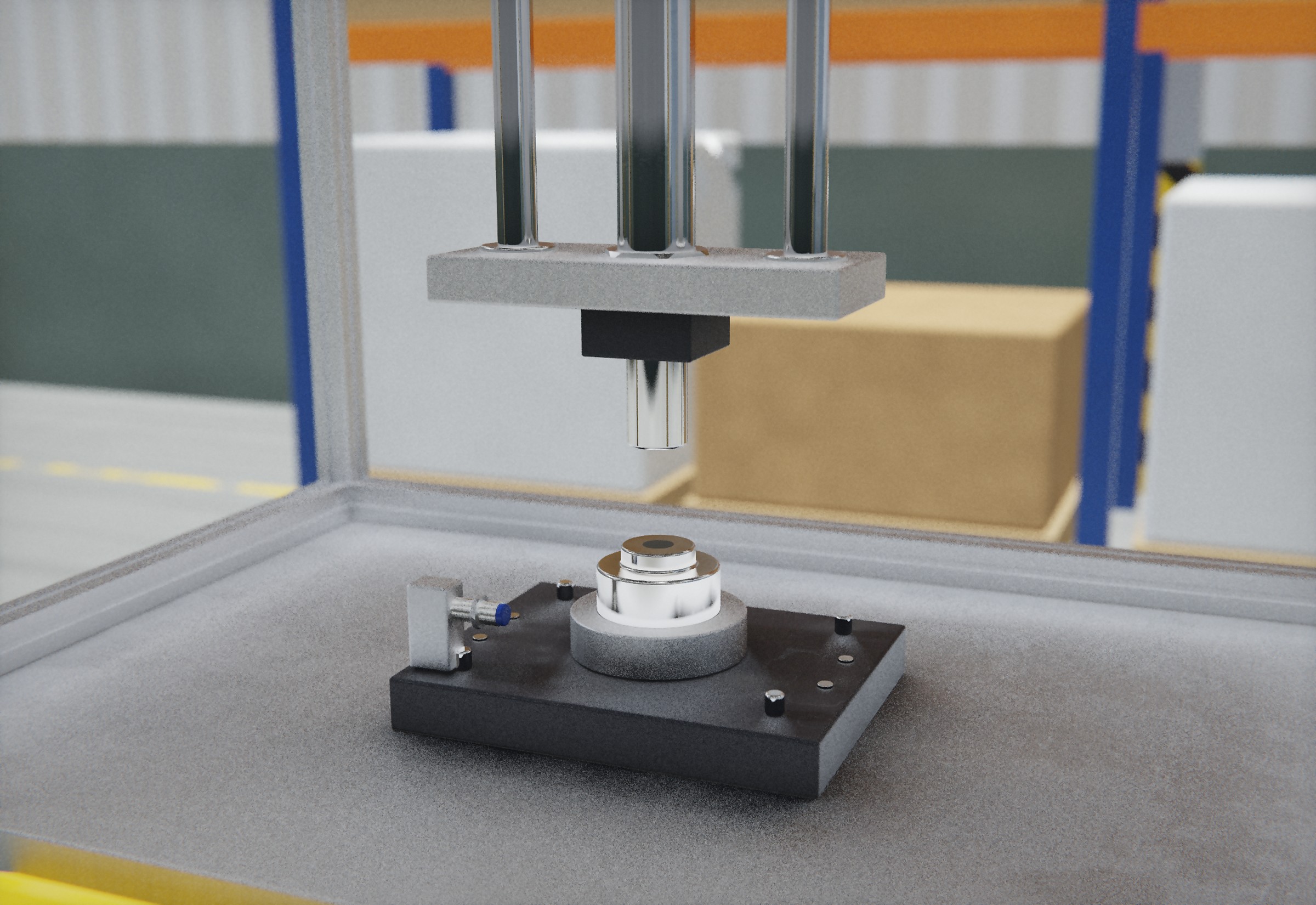
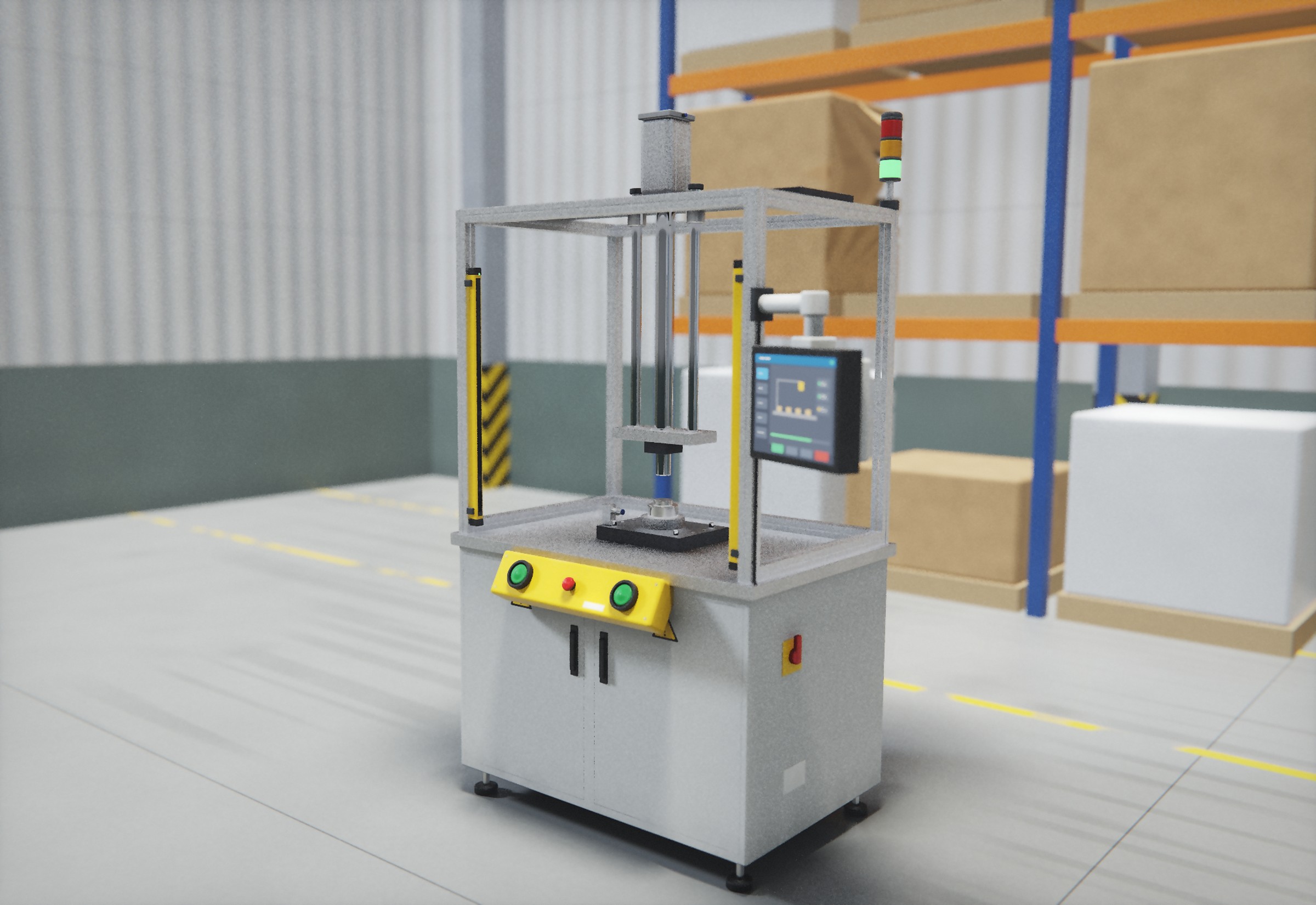
A special purpose machine (SPM) is built around one job on your line. Instead of adapting a general machine, the frame, tooling, motion and controls are designed for your part and the operation it needs: assembly, pressing, testing or marking.
That focus is what makes an SPM fast and repeatable. Parts sit in dedicated fixtures, the process runs the same way every cycle, and operators work with a simple HMI made for that machine.
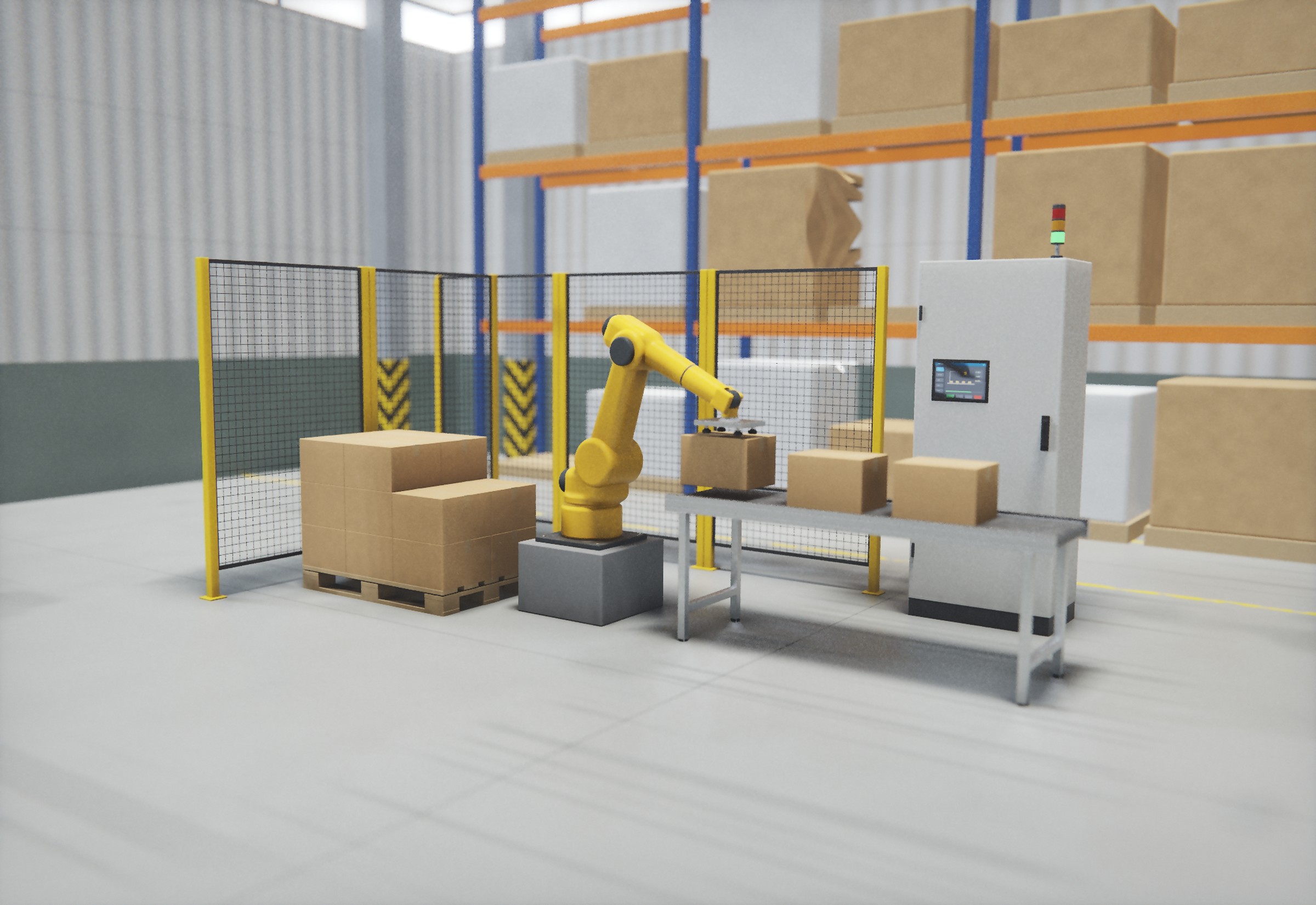
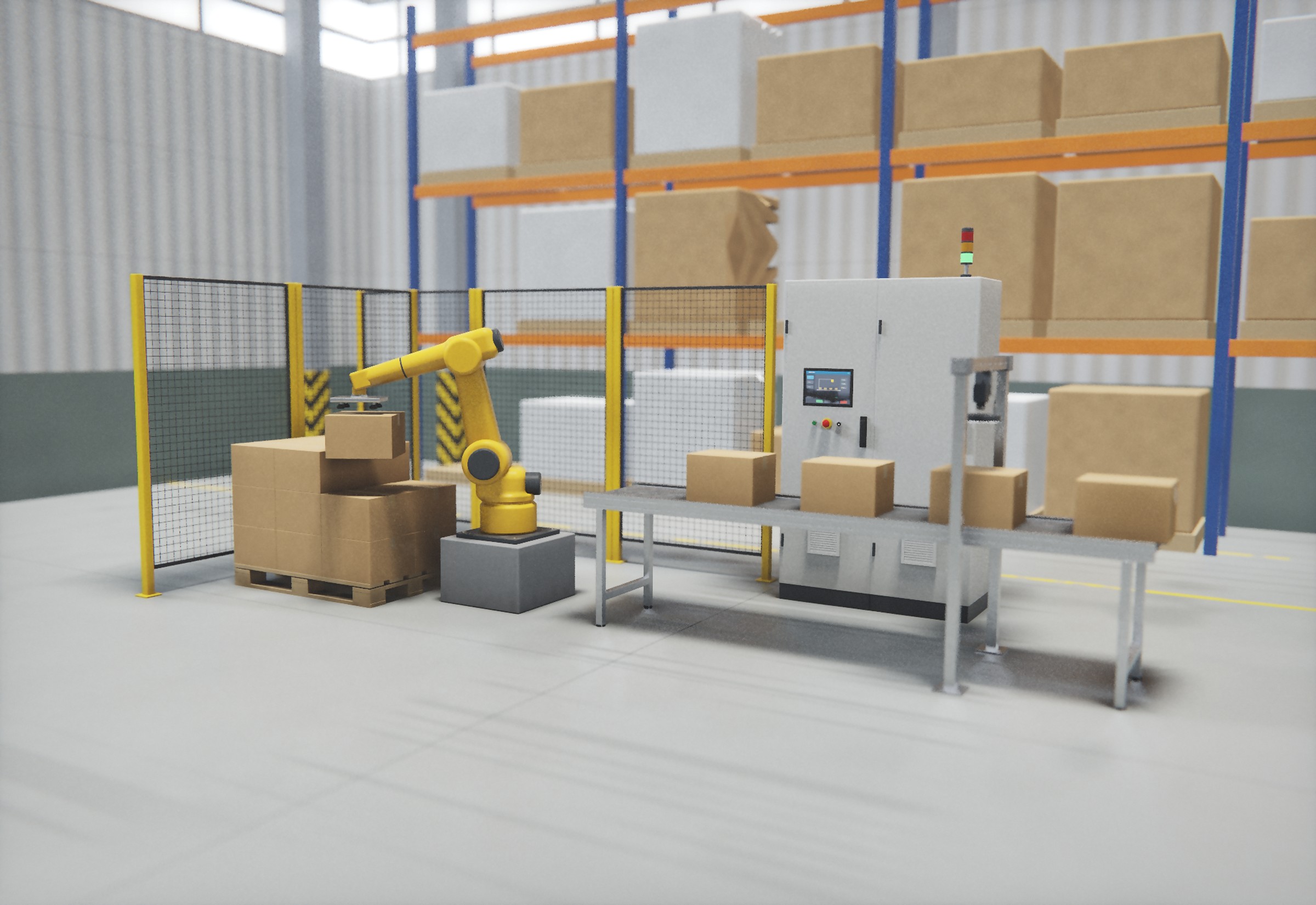
Our SPMs are built with PLC / HMI controls and safety from the start, and can be linked to conveyors, robots and vision inspection as part of a larger line.
What’s included
- Machine frame and guarding
- Process tooling and part fixtures
- Pneumatic, motion and electrical components
- Sensors and part checks
- PLC / HMI controls with safety
- Installation, commissioning and training
Key features
What makes it work on your line.
- 01
Designed for your part
Fixtures and tooling are made around the part, so it is located the same way on every cycle.
- 02
Controlled process
Pressing, joining, testing or marking runs as a fixed sequence controlled by the machine.
- 03
Repeatable cycle
The sequence is tuned to your cycle-time target and runs the same way, shift after shift.
- 04
Built-in checks
Sensors confirm parts and positions, and vision can be added to verify the result.
- 05
Safe operation
Light curtains, two-hand controls, guarding and interlocks protect operator positions.
- 06
Simple to run
An HMI made for the machine shows the sequence, alarms and counts in plain terms.
How we deliver it
From first study to a running line.
- 01
Process study
We start from your part, the operation and the cycle-time target.
- 02
Concept & design
Frame, tooling, fixtures, motion, controls and guarding are designed together.
- 03
Build & testing
The machine is built and tested before it reaches your floor, keeping installation short.
- 04
Install, train & support
We install and commission the machine, train your team and support it after handover.
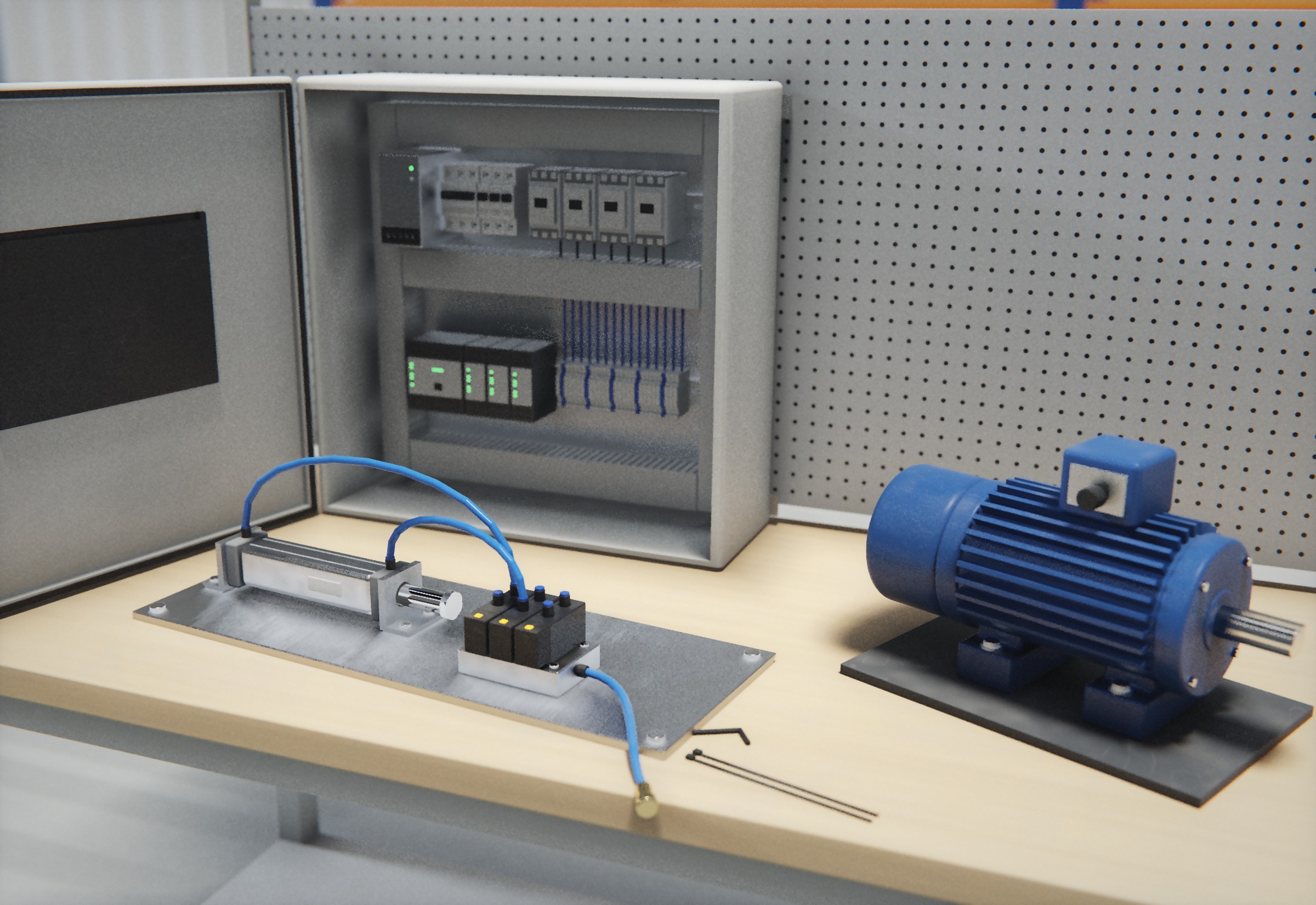
Plan your next line with us.
FAQ
Questions about this product
Assembly such as press-fitting, screwing and joining, pressing of bearings, bushes and pins, leak, function and end-of-line testing, and permanent part marking.
Blog
Guides from our engineers.
Practical reading on robot cells, vision inspection, conveyors, machine safety and automating the lines you already run.
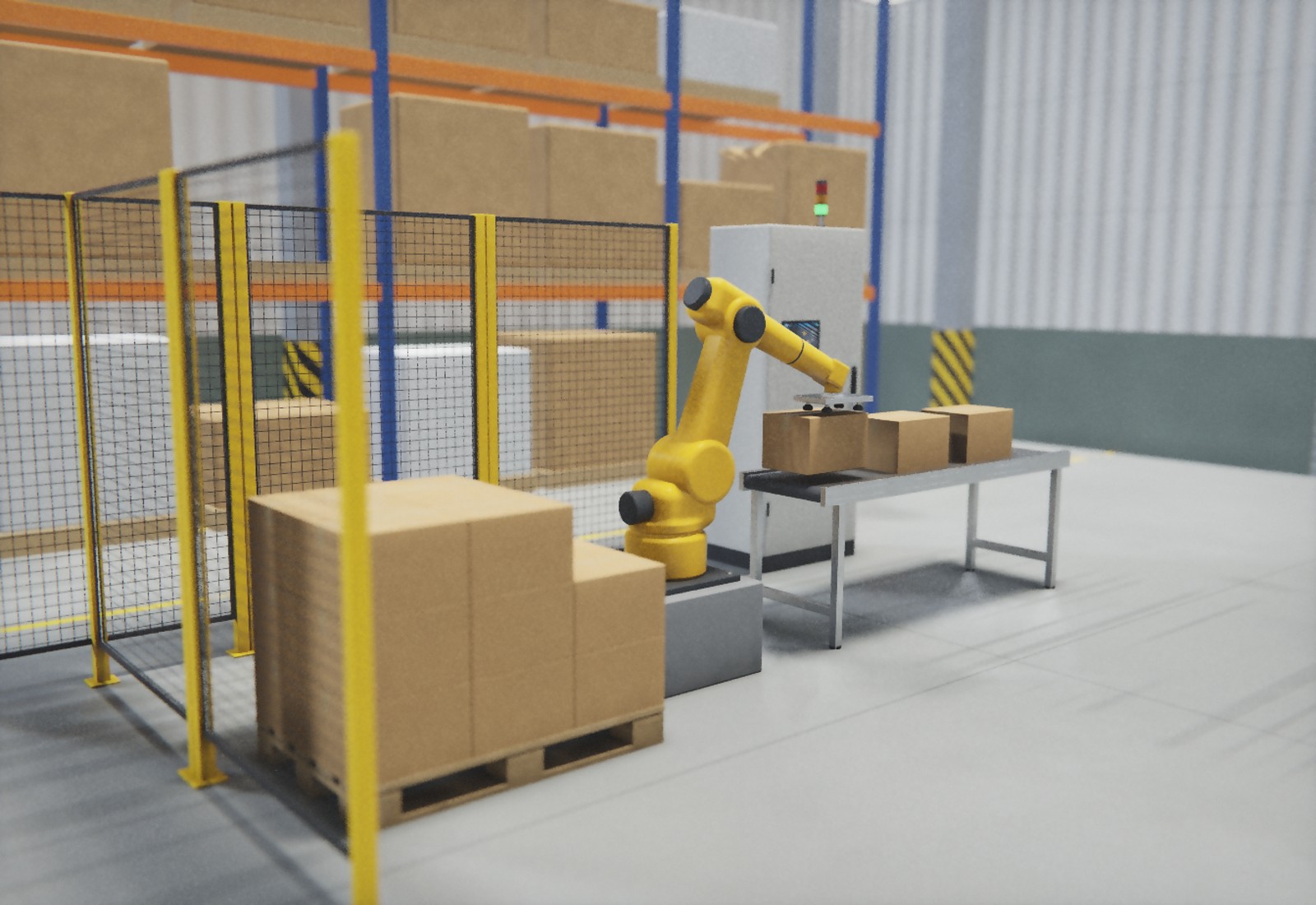 Robotics & machines
Robot Cell or Special Purpose Machine: Which Fits Your Production Line?
Both take repetitive work off your operators, but they solve different problems. Here is how to choose between a robot cell and a machine built for one job. Intellizen Engineering TeamRead more
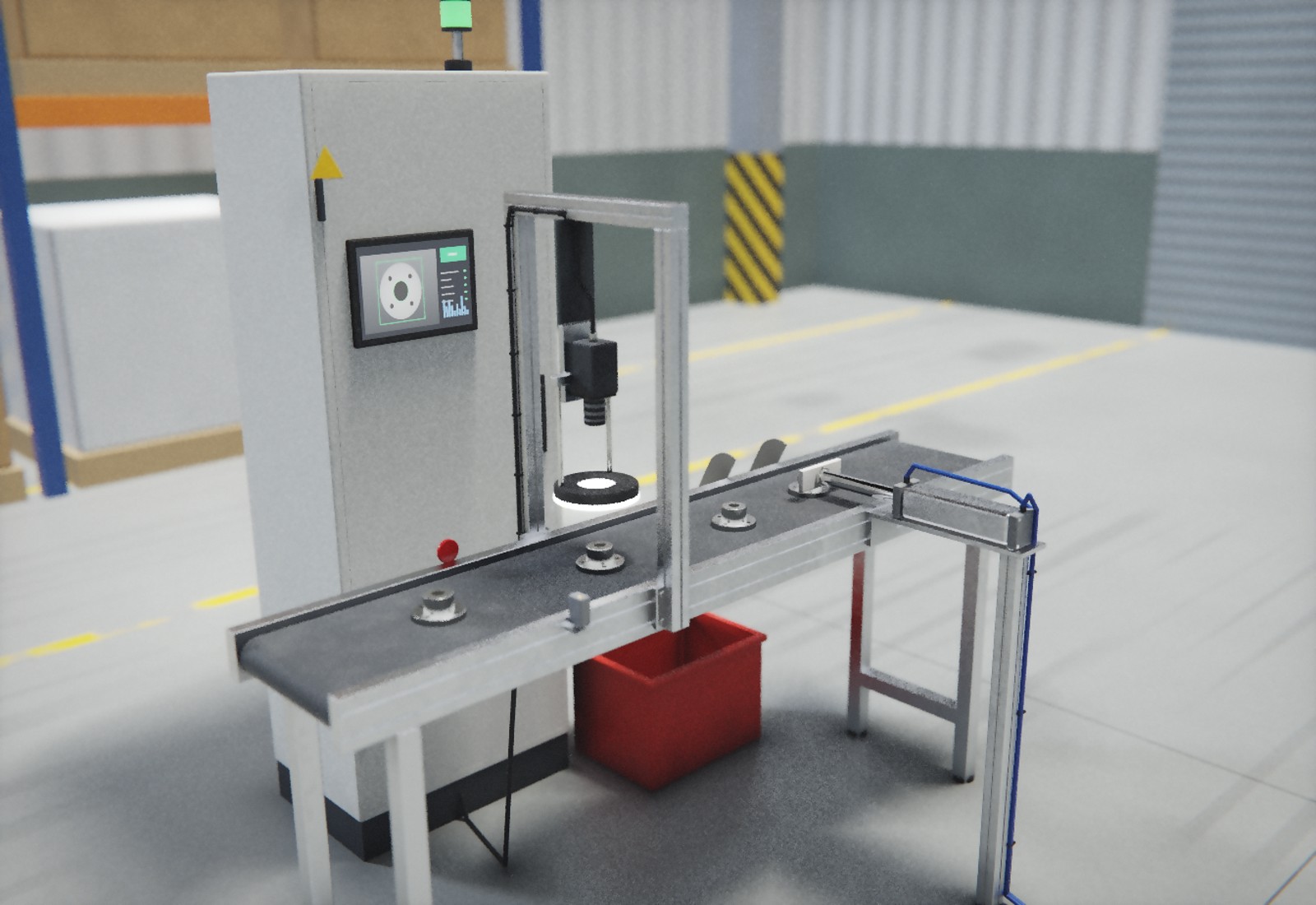 Vision & sensing
Vision Inspection on the Production Line: What a Camera Can Check
From presence checks to reading codes, a vision system checks every part and sends a pass/fail signal to your PLC. Here is what it can do and how to plan one.Intellizen Engineering TeamRead more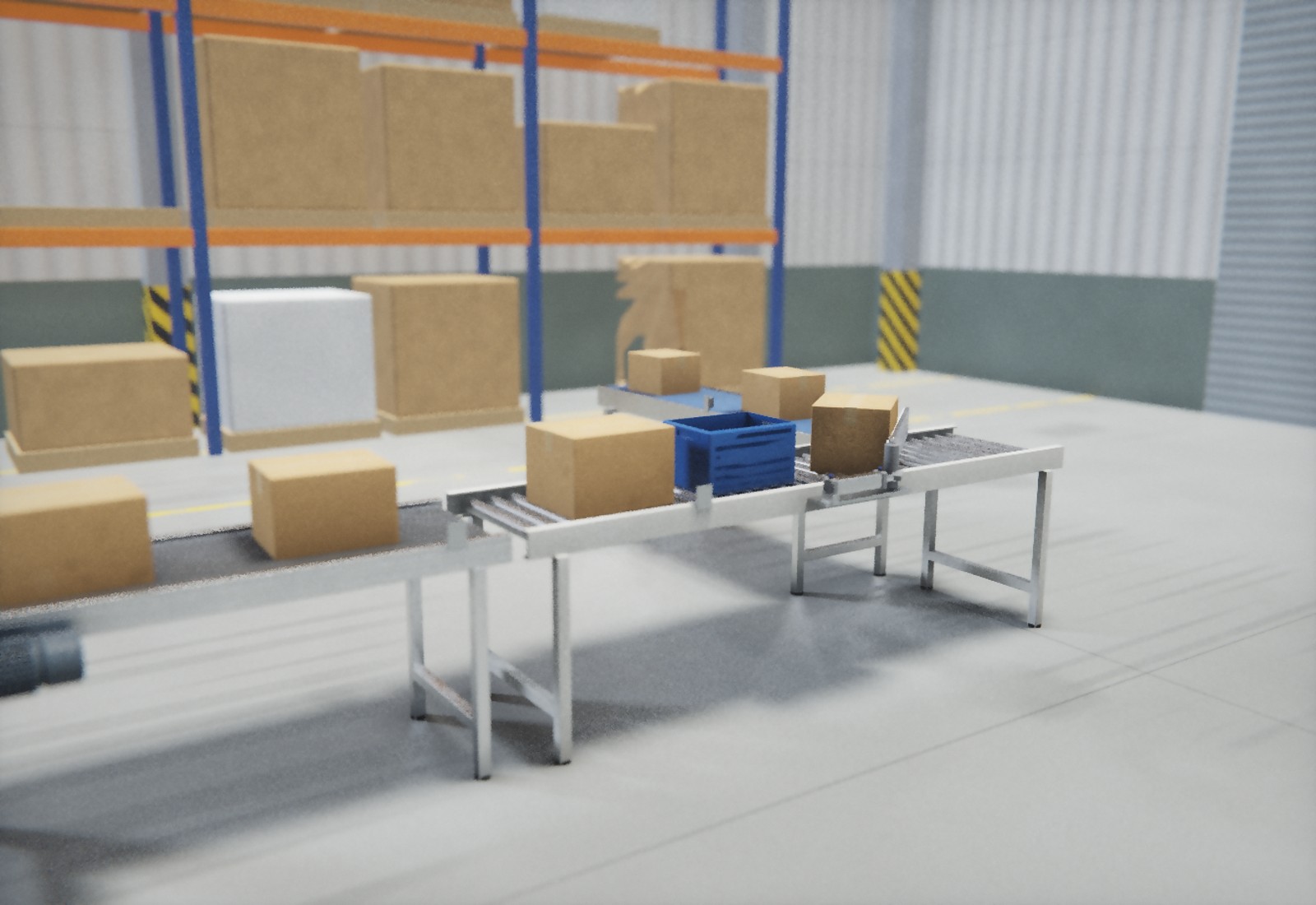 Material handling
Belt, Roller or Modular Conveyor: Choosing the Right One for Your Line
Conveyors link every station on a line. The right type depends on what you move, how it needs to queue and how it transfers between stations.Intellizen Engineering TeamRead more