
Conveyors & Handling Systems
Belt, roller and modular conveyors, transfers and buffers that move product smoothly between stations.
- 4Applications
- 3Related products
At a glance
- Conveyor type
- Confirmed in your quote
- Belt width
- Confirmed in your quote
- Load
- Confirmed in your quote
- Speed
- Confirmed in your quote
- Length
- Confirmed in your quote
These figures are set for each project from your part, cycle time and line. Send your requirement and we confirm them in the quote.
About this product
Belt, roller and modular conveyors.
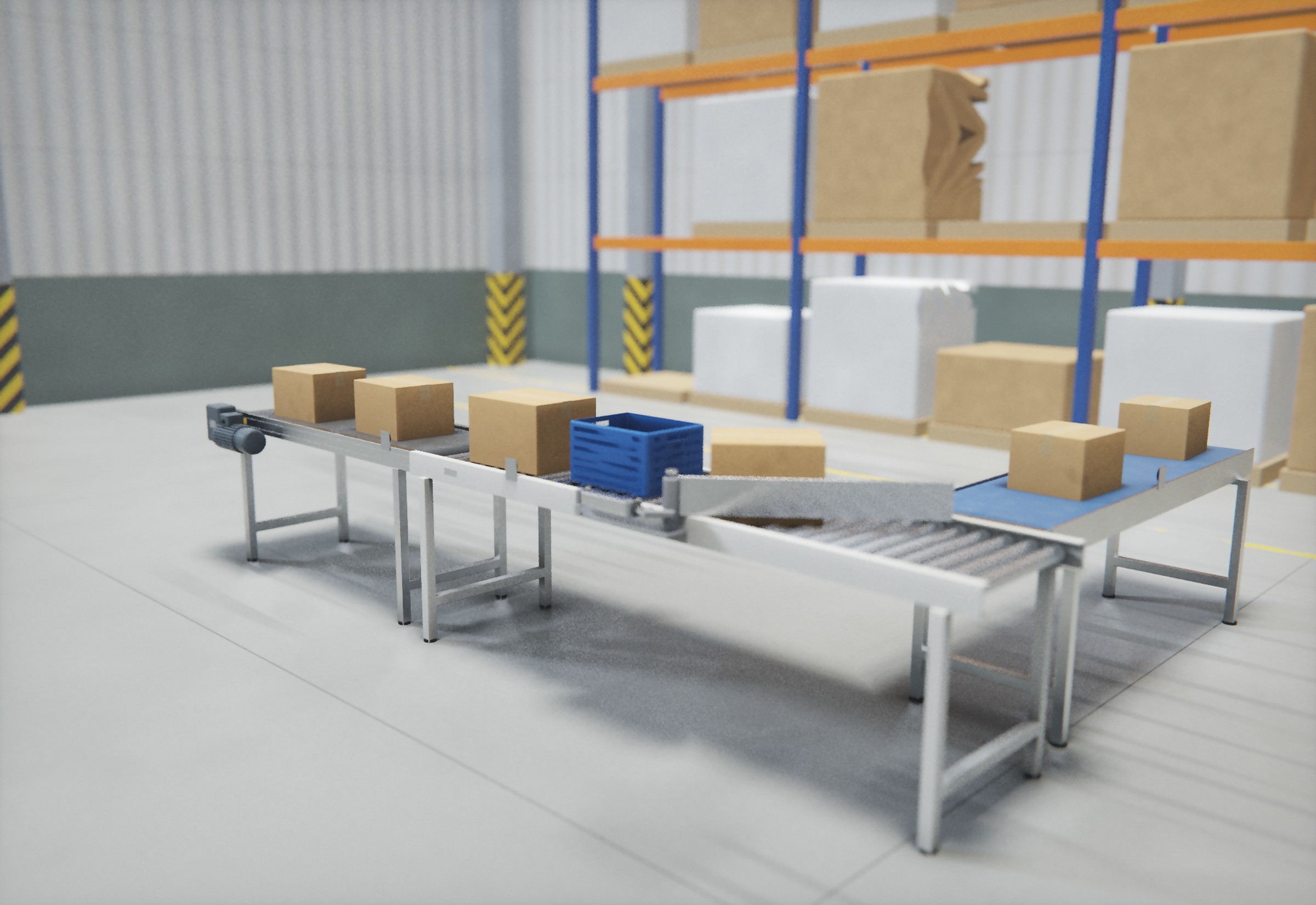
Conveyors link every station on an automated line. They carry product from one process to the next, let it queue where a station needs a buffer, and present it in the position the next robot, camera or machine expects.
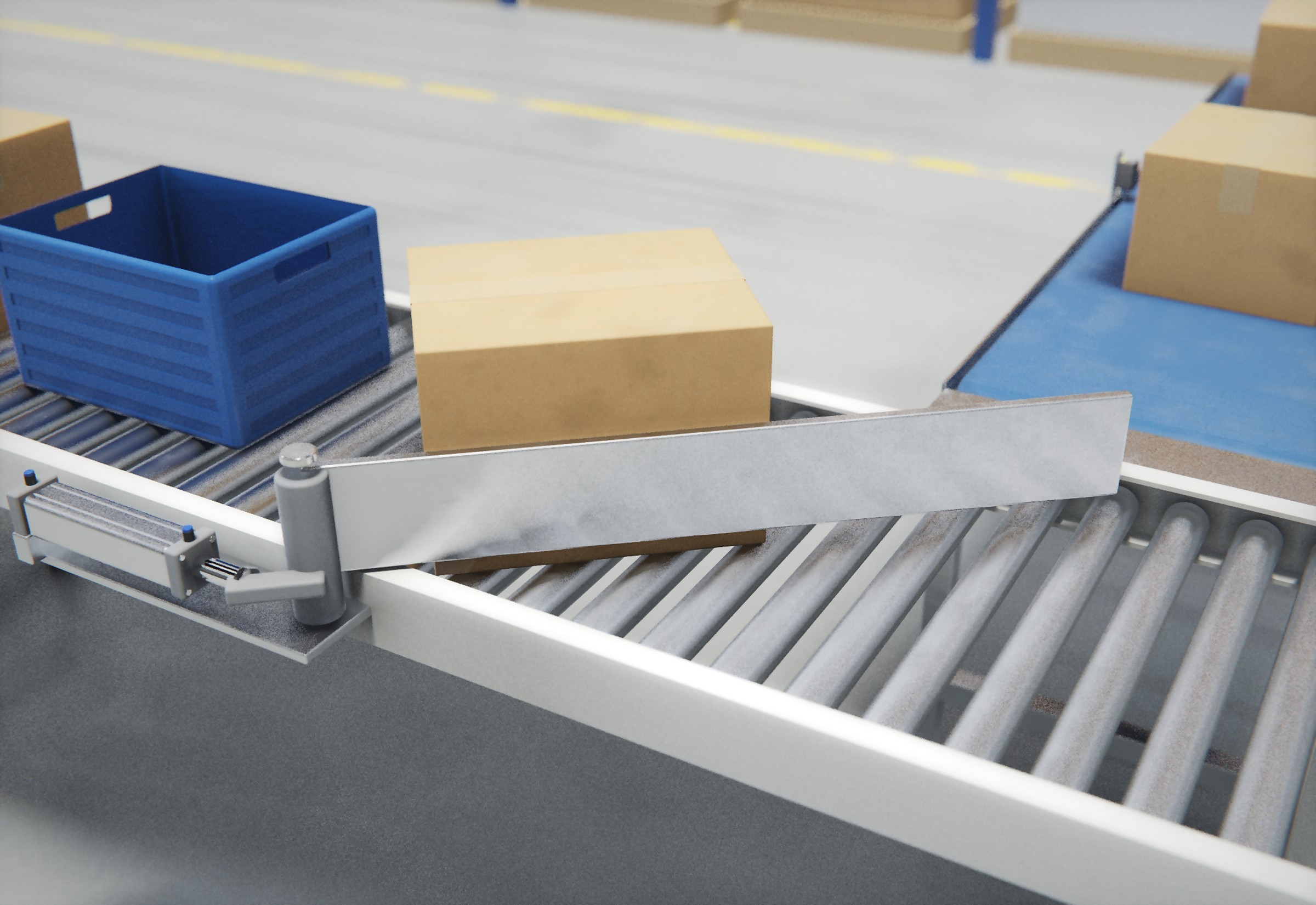
We build belt, roller and modular conveyors, together with the transfers, diverters and accumulation zones that connect them. Each conveyor is sized to your product, its weight and the speed of the line.
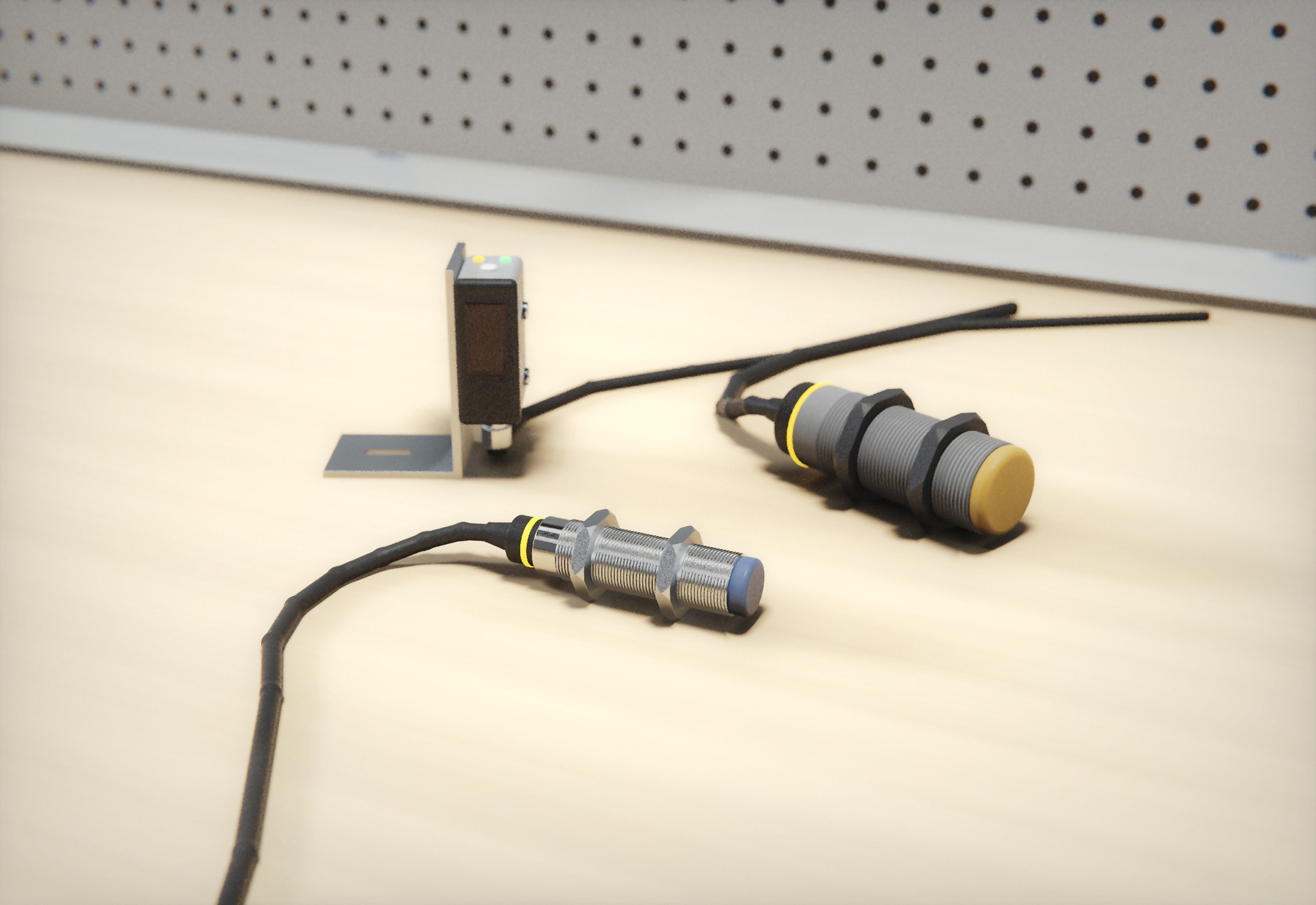
Sensors along the conveyor tell the controls where each product is, so the line can stop, queue, sort or divert it automatically.
What’s included
- Conveyor frames and supports
- Belts, rollers or modular chains
- Motors and drives
- Transfers, diverters and guides
- Sensors and PLC controls
- Guards and emergency stops
Key features
What makes it work on your line.
- 01
Belt conveyors
A continuous surface for small, light or irregular products, and for inclines.
- 02
Roller conveyors
Powered or gravity rollers for cartons, totes and pallets, well suited to accumulation.
- 03
Modular conveyors
Interlocking plastic modules for curves, wet areas and quick section repairs.
- 04
Transfers & diverters
Move product between conveyors or send it to the right lane for sorting or rejects.
- 05
Accumulation buffers
Let product queue between processes so one stop does not halt the whole line.
- 06
Sensors & controls
Product detection and PLC control for stopping, queuing and diverting.
How we deliver it
From first study to a running line.
- 01
Study product & flow
We look at product size, weight and base, line speed and where product must queue.
- 02
Design the layout
Conveyor types, transfers, curves and level changes are planned around your floor.
- 03
Build & install
Frames, drives, belts or rollers, sensors and controls are built and installed.
- 04
Commission & support
The system is commissioned with the stations it links, and supported after handover.
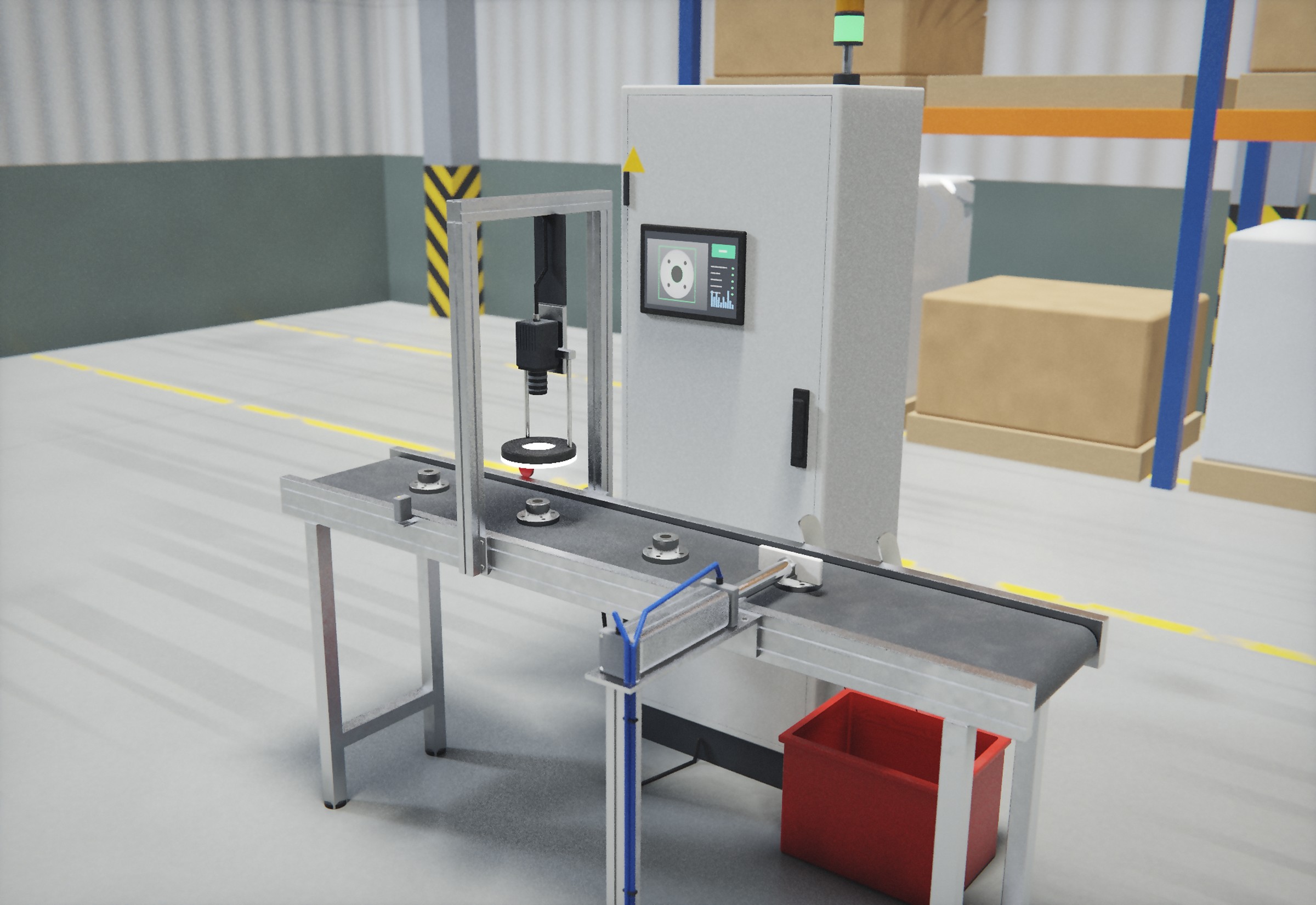
Plan your next line with us.
FAQ
Questions about this product
Roller conveyors are a common choice because cartons have a firm, flat base and can queue on rollers. Belt conveyors also work well, especially on inclines.
Blog
Guides from our engineers.
Practical reading on robot cells, vision inspection, conveyors, machine safety and automating the lines you already run.
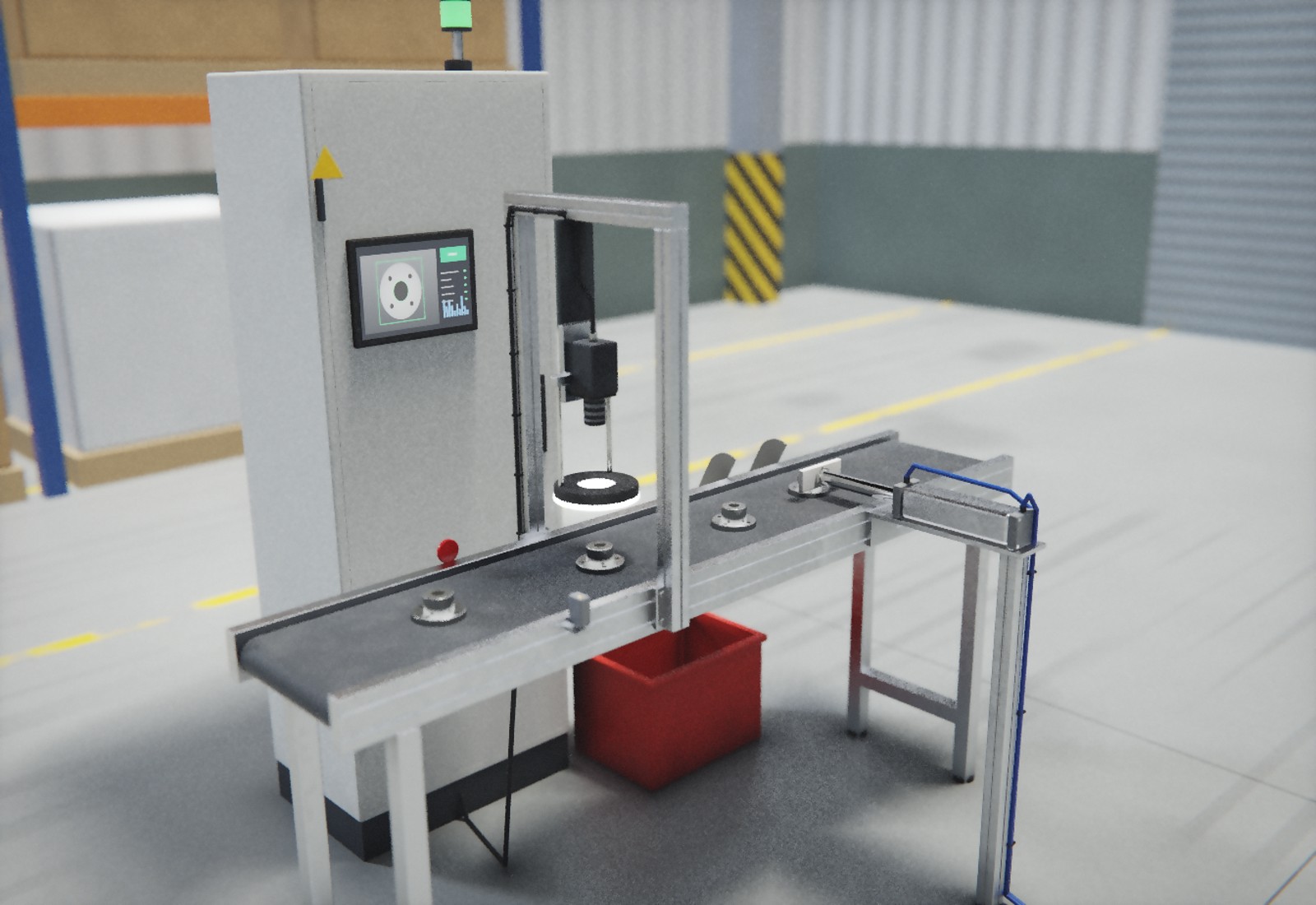 Vision & sensing
Vision Inspection on the Production Line: What a Camera Can Check
From presence checks to reading codes, a vision system checks every part and sends a pass/fail signal to your PLC. Here is what it can do and how to plan one. Intellizen Engineering TeamRead more
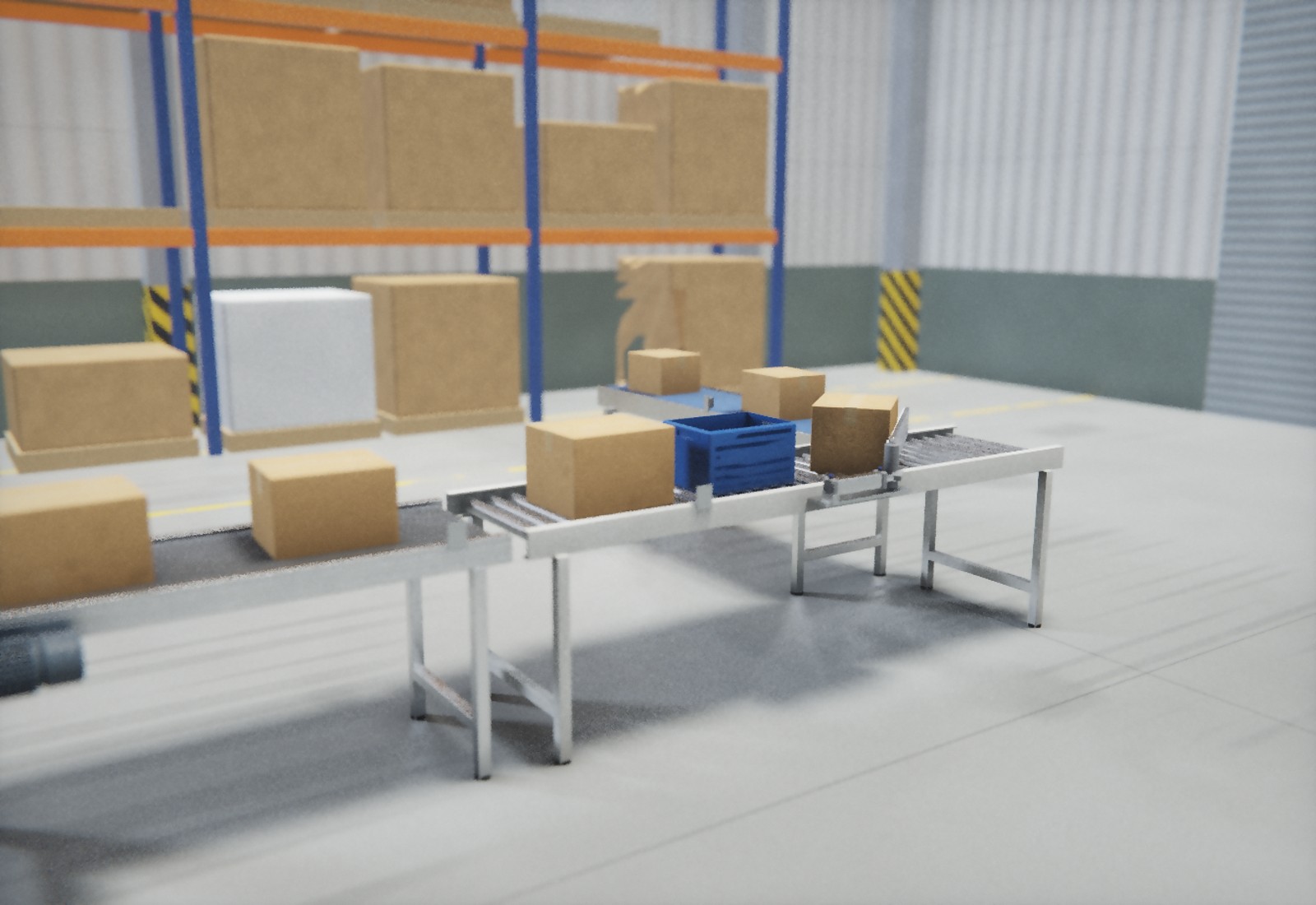 Material handling
Belt, Roller or Modular Conveyor: Choosing the Right One for Your Line
Conveyors link every station on a line. The right type depends on what you move, how it needs to queue and how it transfers between stations.Intellizen Engineering TeamRead more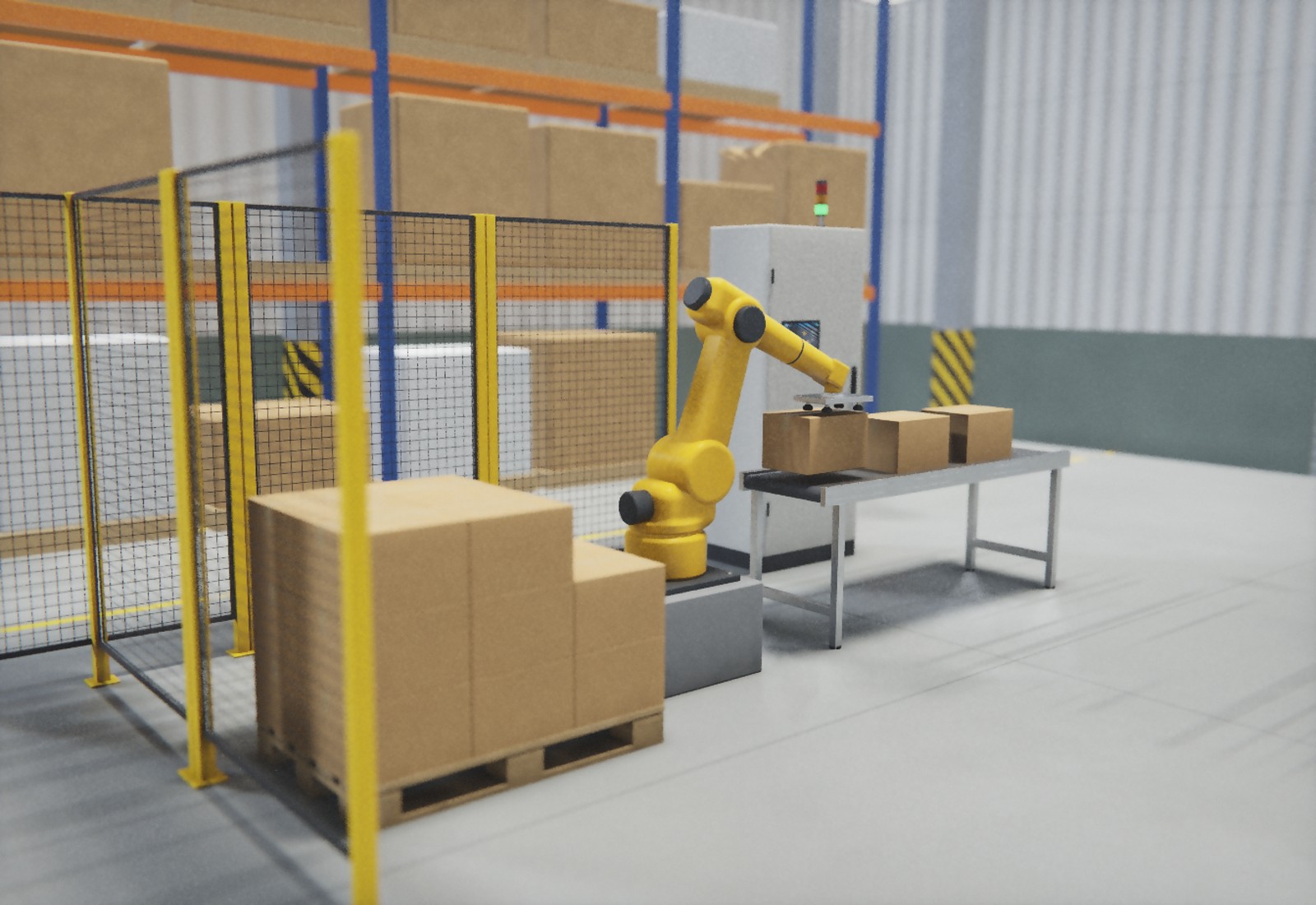 Robotics & machines
Robot Cell or Special Purpose Machine: Which Fits Your Production Line?
Both take repetitive work off your operators, but they solve different problems. Here is how to choose between a robot cell and a machine built for one job.Intellizen Engineering TeamRead more